
Regularly measuring client satisfaction through surveys and feedback forms provides direct insights into the perceived effectiveness and overall experience of the laser hair removal treatments. High satisfaction scores correlate with successful treatments and positive word-of-mouth referrals. Tracking satisfaction trends helps identify areas for improvement in service delivery and treatment protocols.
Monitoring the percentage of clients who complete their recommended series of laser hair removal sessions is a critical success indicator. A high completion rate suggests that clients are seeing satisfactory results and are motivated to continue with the treatment plan. Low completion rates may indicate issues with treatment efficacy, discomfort, or client expectations.
Quantifying the percentage of hair reduction achieved after a series of laser hair removal sessions offers an objective measure of treatment effectiveness. This metric should be assessed through before-and-after photos and hair count measurements. Significant and sustained hair reduction demonstrates the success of the laser technology and treatment parameters.
Laser hair removal can improve your life. But success means more than just removing hair. It means meeting your goals. What one person considers a win might differ for someone else. For anyone researching Laser hair removal Brampton provides a reliable option for reducing unwanted hair.. Maybe you want fuzz-free underarms to save time, or you want a lasting solution for hormonal hair growth. Men might want a cleaner beard line. Athletes often want smoother legs for comfort. If you have sensitive skin, avoiding razor burn is a win.
A solid treatment plan with follow-ups is key. Laser hair removal requires multiple sessions, spaced several weeks apart, to address hair in different growth cycles. Your skin changes, too. Regular check-ins let your technician adjust the laser settings to match your skin's condition and your hair's response.
Skipping follow-ups is a mistake. You might not get the hair reduction you want, or you could risk skin irritation if the settings aren't adjusted. Think of it as a partnership. You and your technician work together to get lasting results. Be strategic and adapt to get the smooth, hair-free skin you want.
Laser hair removal isn't a one-size-fits-all service, especially when you think about the different needs of people in Brampton.
Consider busy professionals. They need fast, treatments that work and fit their schedules. They can't spare much recovery time, so be quick.
Then there are women managing hormonal hair growth. Polycystic ovary syndrome (PCOS) or hormonal issues can cause stubborn hair. Laser hair removal can help, but often needs a more custom approach and maybe more sessions.
Consider men, too! Men often want laser hair removal to reduce body hair or neaten beard lines. They have different hair densities and skin types, so adjust the laser settings.
Athletes are another group. They want smooth skin for performance and comfort. They might get ingrown hairs more easily, so care before and after the service matters.
What about people with sensitive skin? Be careful to avoid irritation or bad reactions. Patch tests are needed, and you might use lower laser settings.
Here is why scheduling treatment sessions and follow-up visits matters to keep laser hair removal working. This helps adapt to changes in skin and hair regrowth, which is key for long-term hair reduction.
Accurate hair reduction measurement is super important after each laser session. Don't just eyeball it! Mark a small area with a skin-safe pen before the session. A few weeks later, count the hairs in that marked area again. Compare the counts to get your reduction percentage. This gives you real data.
When should you see results? Most people notice a difference after 2-3 sessions. Hair grows in cycles, so it takes multiple treatments to target all the follicles. Expect to need around 6-8 sessions spaced several weeks apart for the best results. Be patient; it's a process. Hormonal factors can influence the number of sessions needed.
Hair and skin color matter. Laser targets the pigment in the hair, so it works best on dark hair and light skin. Lighter hair might need more sessions. Darker skin needs a laser that's safe for it. It's not a one-size-fits-all situation. Choose a clinic that knows how to adjust the laser for your skin and hair type.
Sticking to your treatment schedule is key for long-term hair reduction. Don't skip appointments! Each session targets hair in a different growth phase. If you wait too long between sessions, some follicles might recover. Regular follow-ups help maintain your progress. Consistency matters.
Follow-up consultations are a good idea, even after your initial sessions. Skin condition and hair regrowth patterns can change. A quick check-in lets you adjust your maintenance plan if needed. Maybe you need a touch-up session once a year. This helps keep unwanted hairs away.
Laser hair removal requires multiple sessions, spaced properly, for results. Sessions are usually 4–6 weeks apart at first. Hair grows in cycles, and the laser targets hair in the active growth phase.
Life happens. Yet consistency is key. Some see results after a few sessions and want to stop. But remaining hairs will grow back. A recommended treatment plan gives you long-term hair reduction. Your technician can change the laser settings based on your skin's response. This ensures the best result and reduces possible side effects.
Why the spacing? Not all hair is in the same phase at once. Spacing treatments helps catch more hairs in the active growth phase. You are setting up for hair that will grow in the coming weeks.
Following this schedule matters. If you skip sessions or wait too long, treated hairs can recover. It will take longer to get the hair reduction you want, costing more time and money.

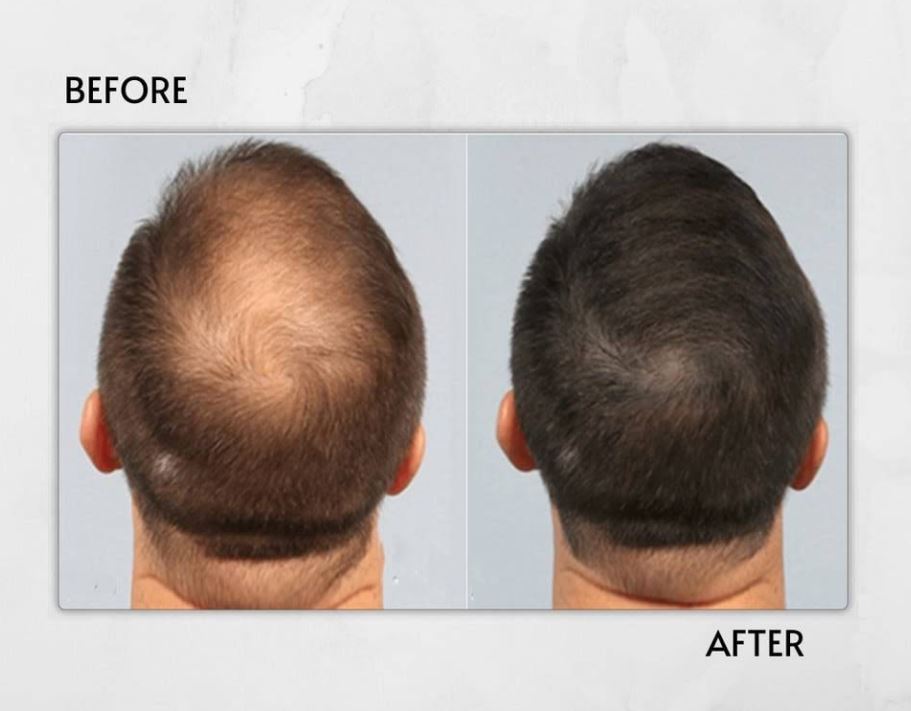
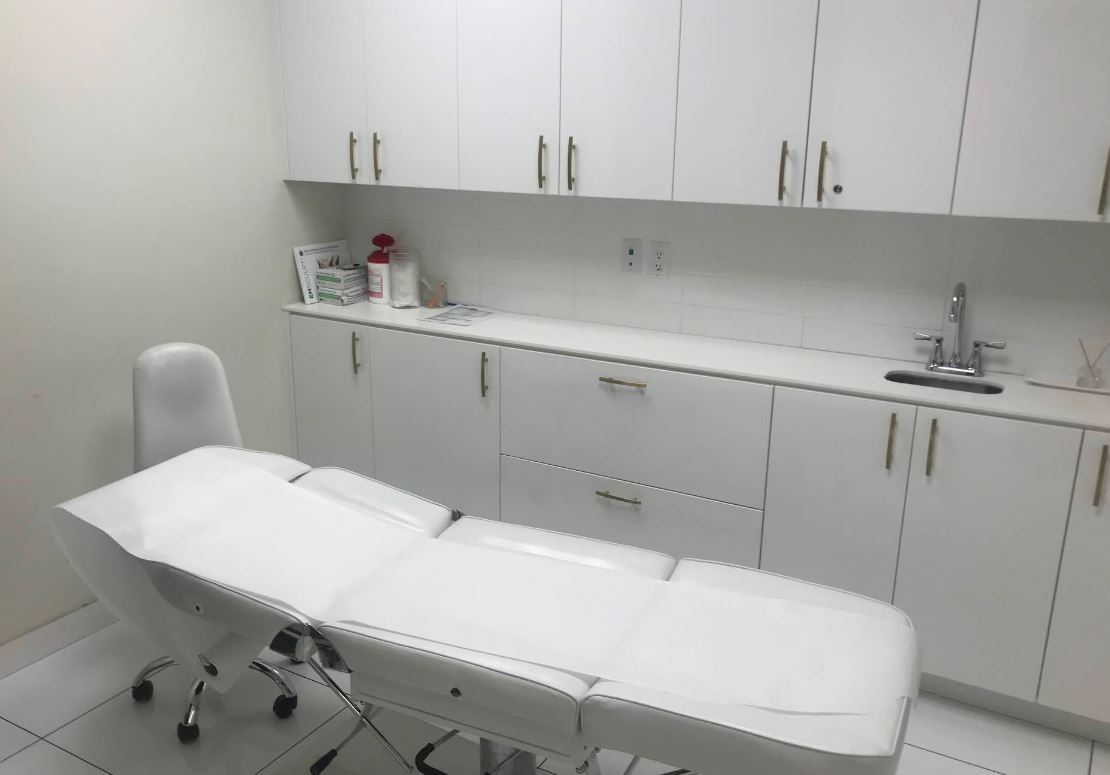
Laser hair removal requires more than one session. It's a series of treatments against unwanted hair. You need multiple sessions because hair grows in cycles. The laser works best when the hair is in its active growth phase.
You might need six to eight treatments, spaced four to six weeks apart. This lets you target the hair at different growth stages. But there's more to it than removing hair.
Follow-up appointments matter a lot. Here is why: Your skin and hair regrowth can change. Hormones, sun, and aging can all have an effect. Regular check-ins let your technician change the laser settings and treatment plan.
Without this approach, initial results won't last. You could see patchy hair growth or skin irritation from incorrect laser settings. It’s about being ready and changing the treatment based on your body's response.
Laser hair removal is often safe, but temporary side effects can occur. Redness and swelling are common after a session. It is like a mild sunburn. It often fades within hours or a day. Some people might see slight pigmentation changes, especially if they have darker skin. This could be a temporary darkening or lightening of the skin in the treated area.
How do you handle these issues? Cool compresses work well for redness and swelling. Avoid direct sun and use sunscreen. Use a broad-spectrum SPF 30 or higher. For pigmentation changes, speak with your technician. They might suggest a topical cream to help even things out.
Often, these side effects are minor and go away on their own. But, if you have anything severe, like blistering, scarring, or signs of infection, contact the clinic or see a doctor right away. We want to ensure proper healing and that you get the results you want without problems. In Brampton, we can help you through the process and address any concerns.
Laser hair removal requires more than one session. Think of it as a plan to fight unwanted hair. You need several treatments, spaced correctly. Here is why: Hair grows in cycles. Lasers affect hair in the active growth phase, but not all hairs grow at the same time.
Follow-up visits matter just as much. We don't just check to see if you are happy, though that does matter. We adapt to how your skin and hair react. Perhaps your skin feels more sensitive. Maybe hair thins in some spots but not others. The technician can change the laser settings or timing for the best results and to reduce irritation.
Your feedback matters. Surveys, reviews, and chats during appointments all count. Your experience is valuable. It tells the clinic what works and what needs work. Also, it helps them adjust your plan even more. If you feel discomfort, speak up! If you don't see the results you want, say something! That is how you gain the most from laser hair removal.
Laser hair removal isn't a one-size-fits-all treatment, especially for the range of skin tones in Brampton. Different lasers work better for different people. For example, Alexandrite lasers work well on lighter skin. Diode and Nd:YAG lasers are safer and more effective for darker skin. It's about choosing the right tool.
Next, let’s talk about planning. It's about creating a treatment schedule. We spread out treatments because hair grows in cycles. The goal is to treat the hair when it's in the active growth phase. That way, the laser can do its job.
What about after each session? Follow-up matters. Skin can react in different ways, and hair might not all go away at once. Regular check-ins let us adjust the plan and laser settings. This ensures your skin stays healthy. Think of it as fine-tuning for the best results over time. It's a process.
Laser hair removal requires more than one session. Think of it as a process with scheduled sessions and follow-up visits. This is key to keeping hair away.
Why so many sessions? Hair grows in cycles. Lasers affect hair in its active growth phase. Since hairs grow at different times, several treatments are needed. Skin changes and hair regrowth varies, so follow-ups help adjust the plan.
Before your session, avoid the sun. Tanned skin can affect the laser and cause burns or discoloration. Shave the area before you arrive. Don't wax or pluck, because the laser needs the hair follicle.
After treatment, protect your skin. Sunscreen is a must. Use it all the time. Use gentle skincare products. Avoid harsh chemicals or scrubs that can irritate the area. We might suggest lotions or creams to help with healing.
If you skip aftercare or don't follow the schedule, you might not get the results you want. You might need more sessions, or hair might grow back faster. Planning and follow-through make laser hair removal work.
Laser hair removal isn't a one-time thing. Think of it as planting a garden. You remove the weeds (unwanted hair), but you still need to care for it to keep it looking good. That is where maintenance or touch-up sessions come in.
Why are they needed? Laser hair removal targets hair follicles during their active growth phase. Not all your hair is in that phase at the same time. The initial sessions zap a good amount of hair, but some follicles were dormant and will become active later.
Touch-up sessions catch those hairs. How often you need them depends on a few things. Hormonal changes, like pregnancy or aging, can affect hair growth. Skin type and hair color also matter. Some people need more maintenance. The area being treated also matters.
People might need a touch-up every 6–12 months. Missing these sessions isn't a disaster, but you might see some regrowth. Regular maintenance keeps you happy with the results. Think of it as an investment in staying smooth and confident.
Detailed treatment planning matters, especially for hormonal imbalances. For clients in Brampton with conditions like PCOS or those going through menopause, laser hair removal can help. But it is not a universal fix. Hormone changes can affect hair growth, which makes it harder to predict results.
What does this mean? You might need more sessions than someone without hormone issues. It is also important to have realistic expectations. Laser hair removal can reduce hair a lot, but complete removal might not be possible. Follow-up visits are even more important. They let us watch progress, change the plan as needed, and address any concerns that come up.
We are not just targeting the hair you see now. We are also watching for future growth caused by hormone shifts. Regular sessions, spaced out carefully, help us stay ahead. Also, open communication is key. Tell your technician about any changes in your health or medicines, as these can affect how well the treatment works. It takes teamwork to get the best result.
Laser hair removal requires more than one session. Consider it a long-term investment in your time and comfort when you compare it to waxing or shaving. Who wants to buy razors forever?
The real benefit comes from the treatment plan. It's not just about removing hair in one session. It’s about scheduling sessions and check-ins. Here is why: Hair grows in cycles. Laser targets hair in the active growth phase, so multiple sessions treat all the hairs as they cycle through.
Also, your skin changes, and hormones change. These things can affect hair regrowth. Regular follow-ups let us change the treatment to your needs. This is important for people dealing with hormonal hair growth or sensitive skin.
The initial cost might seem higher than a razor or waxing. But think about the future. You will spend less time shaving, less money on razors or wax, and have less skin irritation. Over time, laser hair removal is often more affordable. Plus, think of the freedom—no more last-minute shaving!
Laser hair removal requires more than one session. You cannot zap the hair once and expect permanent results. Plan a series of treatments and keep up with follow-up appointments. Here is why: Hair grows in cycles. Lasers target hair in its active growth phase. Multiple sessions are needed to catch all hairs as they cycle through.
Consider this: You might need six to eight sessions, spaced several weeks apart, to see hair reduction. After that, touch-ups once or twice a year maintain results. Skin condition and hair regrowth patterns can change. Hormonal changes, for example, can trigger new hair growth. Regular follow-ups allow adjustments to the treatment plan, so you get the best long-term results. We adapt to your body's response to the laser.
Picking the right laser hair removal provider in Brampton matters. You trust someone with your skin, so take your time.
First, check certifications. Laser technicians should have training to use the equipment safely. Ask about this.
Next, learn about their technology. Some lasers work better for certain skin and hair types. The clinic should have lasers for your needs.
The first meeting matters. You discuss your goals, and the technician looks at your skin and hair. They should explain the process, risks, and results. If they can't answer you, that's a bad sign.
A good provider will also talk about a plan just for you. Laser hair removal isn't the same for everyone. They should think about your skin type, hair color, and treatment area. They should also plan follow-up meetings to watch progress and change the treatment as needed. This gives the best result and lowers possible side effects.

Let’s recap what makes laser hair removal great. We covered hair reduction percentage, how long results last, any side effects, and your happiness. Keep an eye on these things.
Here is why: everyone’s different. A standard plan won't work. You need a treatment plan made for you, your skin type, hair color, and goals. This is very important!
Also, have real expectations. Laser hair removal isn’t magic. You often need several sessions to get the results you want. You might need touch-ups later. It's about hair *reduction*, not complete removal.
Regular check-ins with your provider are also key. They can watch your progress and change the treatment as needed. They will use how your skin and hair respond and address any worries. Think of it as teamwork. Open talk makes sure you're both working toward the best result. This ongoing team effort makes long-term success and happiness.